Latest Updates
Recent additions and developments in sustainable construction education
Recent Content Updates
New educational materials and information additions
Understanding LEED Certification Framework
Comprehensive overview of the LEED (Leadership in Energy and Environmental Design) certification system. This content covers the rating categories including Sustainable Sites, Water Efficiency, Energy and Atmosphere, Materials and Resources, and Indoor Environmental Quality. Explains the credit structure, prerequisite requirements, and how points are awarded across different building types. Includes information about the certification levels from Certified through Platinum and the application process timeline.
Passive Cooling Strategies for Argentine Climate
Detailed exploration of passive cooling techniques suitable for Argentina's diverse climate zones. Covers natural ventilation principles including cross-ventilation and stack effect, thermal mass applications for night cooling, external and internal shading devices, reflective roof coatings, and evaporative cooling strategies. Includes considerations for different regional climates from hot humid northern areas to temperate central regions.
Sustainable Material Selection Criteria
Educational content about evaluating building materials for environmental performance. Covers lifecycle assessment methodology, understanding embodied energy and carbon, recycled content considerations, renewable material options, local vs. imported material trade-offs, durability and maintenance requirements, and end-of-life recyclability. Includes examples of materials commonly available in Argentina and their environmental characteristics.
Solar Energy Applications in Buildings
Information about integrating solar energy systems in building design. Covers photovoltaic system basics including panel types and efficiency, solar thermal systems for water heating, system sizing considerations, orientation and tilt angles for Argentine latitudes, shading analysis, battery storage options, and grid connection requirements. Explains how solar systems can contribute to green building certification credits.
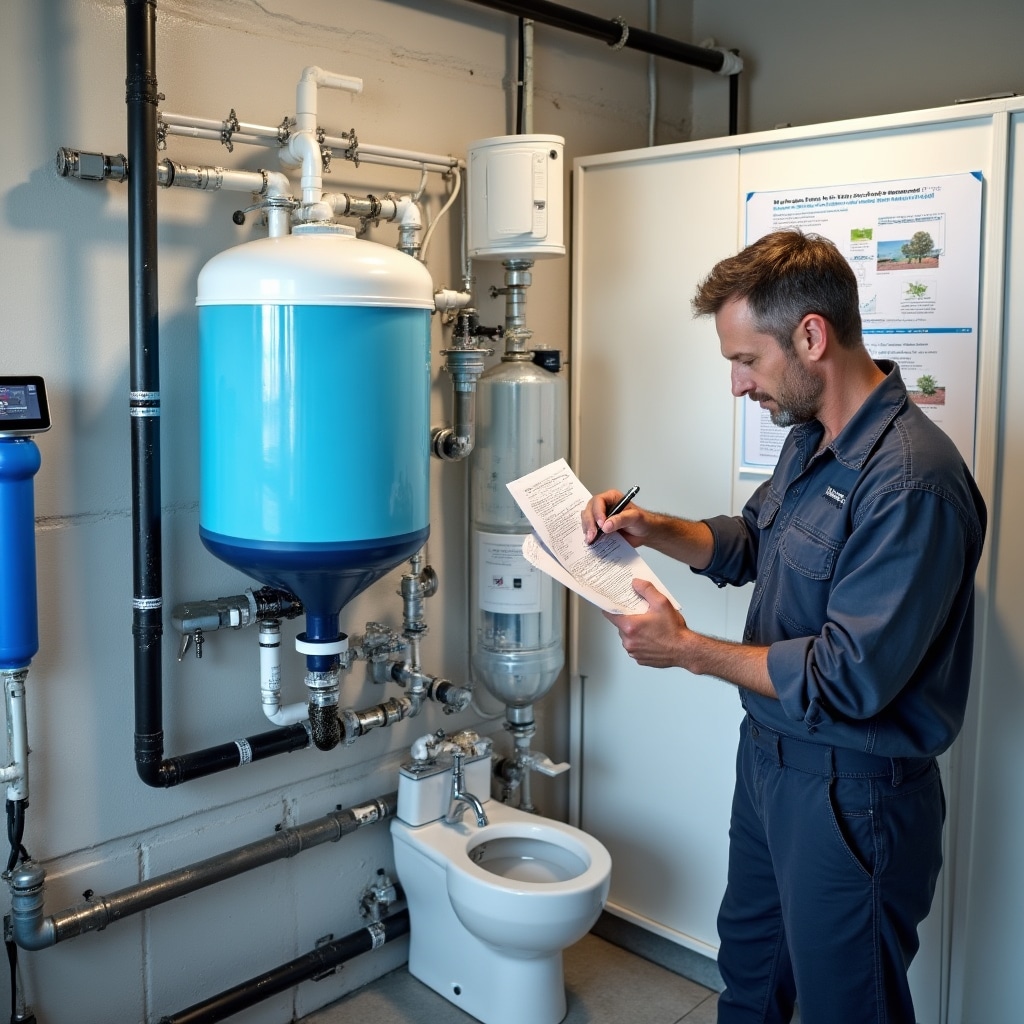
Water Conservation Content Expansion
Recent updates to water management content include detailed information about rainwater harvesting system design, greywater recycling applications, and drought-resistant landscaping suitable for Argentine conditions.
New material covers sizing calculations for rainwater collection systems based on roof area and local rainfall patterns, treatment requirements for different greywater sources and end uses, and selection of native plant species that minimize irrigation needs while supporting local ecosystems.
This expanded content helps learners understand practical water conservation strategies that can reduce building water consumption while managing stormwater responsibly.
Certification System Updates
Recent additions to green building certification information
LEED v4.1 Information
Updated content reflecting LEED version 4.1 requirements including changes to credit categories, new prerequisites, and updated point thresholds for certification levels.
BREEAM Overview
New educational content about BREEAM certification system including assessment categories, rating scales, and how it compares to other green building frameworks.
Green Star Framework
Information about Green Star certification including rating tools for different building types, credit categories, and the assessment and verification process.

Indoor Environmental Quality Resources
Expanded educational content about creating healthy indoor environments. Recent additions cover ventilation system design principles, air filtration options, humidity control strategies, and acoustic design considerations.
New material explains how different ventilation approaches including natural, mechanical, and hybrid systems affect indoor air quality. Covers material selection criteria to minimize volatile organic compound emissions and strategies for maximizing natural daylight while controlling glare.
This content helps learners understand how building design decisions affect occupant health and comfort, and how these factors contribute to overall building sustainability.
Technical Topic Additions
New content covering specific sustainable construction techniques
Natural Ventilation Design
Information about designing for natural airflow including cross-ventilation principles, stack effect applications, wind tower concepts, and window placement strategies for Argentine climate conditions.
Thermal Mass Applications
Educational content about using thermal mass to moderate indoor temperatures, including material selection, placement considerations, and how thermal mass interacts with passive solar design.
Building Envelope Performance
Detailed information about insulation types and applications, air barrier systems, thermal bridging prevention, and window performance specifications for different climate zones.
Green Roof Systems
Content covering green roof types including extensive and intensive systems, structural requirements, plant selection for local conditions, stormwater management benefits, and maintenance considerations.
Upcoming Content
Topics currently in development
Construction Waste Management
Upcoming content about minimizing construction waste through planning, material reuse strategies, and implementing effective recycling programs on building sites.
Building Performance Monitoring
Information in development about tracking building energy and water consumption, analyzing performance data, and using monitoring results to optimize operations.
Retrofit Strategies
Future content covering approaches for improving sustainability of existing buildings through energy efficiency upgrades, water conservation retrofits, and indoor quality improvements.