Thematic Areas in Sustainable Construction
Comprehensive educational content organized into key topics covering all aspects of green building practices
Core Thematic Areas
Organized educational content covering essential sustainable construction topics
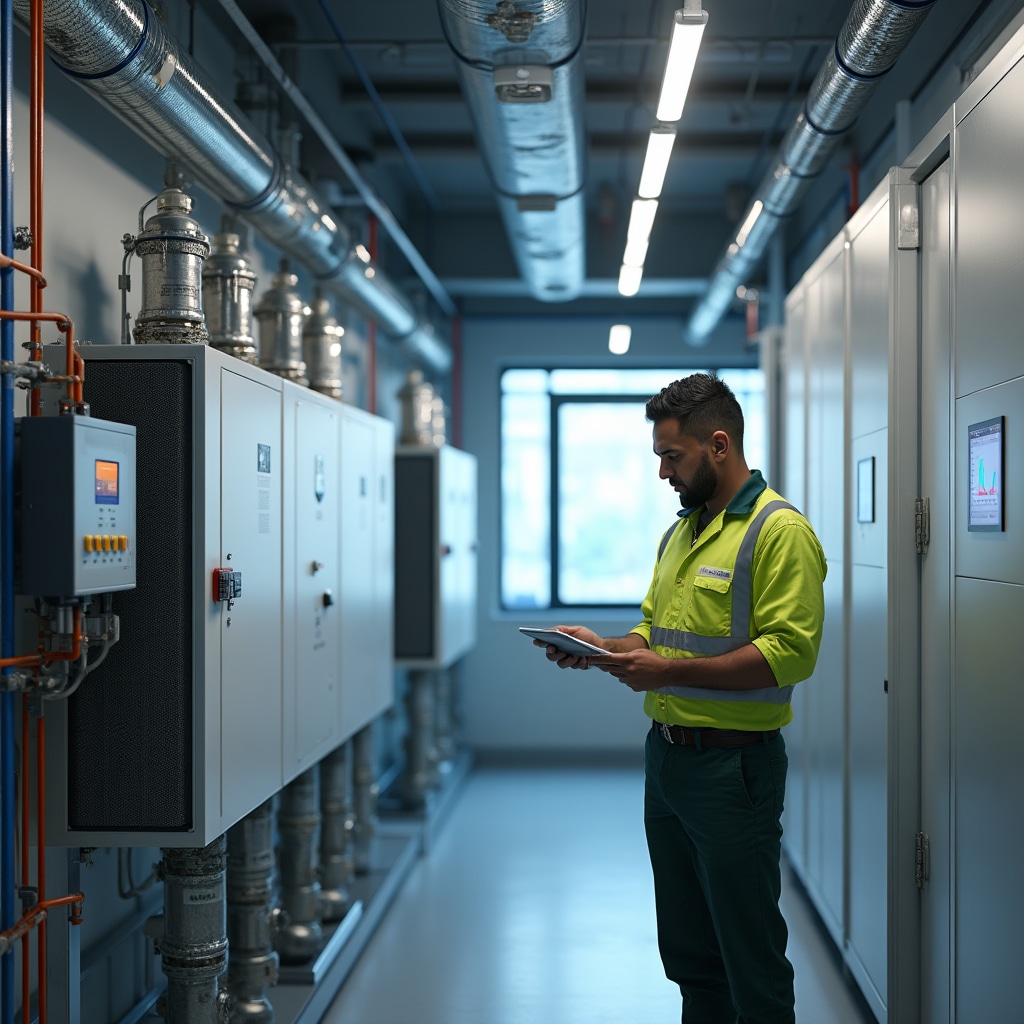
Energy Efficiency & Renewable Systems
Understanding how buildings consume energy and implementing strategies to minimize consumption through intelligent design, effective insulation, efficient mechanical systems, and renewable energy integration.
- Passive solar design principles and orientation
- Building envelope thermal performance
- High-efficiency HVAC system selection
- Solar photovoltaic and thermal applications
- Energy monitoring and management systems
- Daylighting strategies and controls
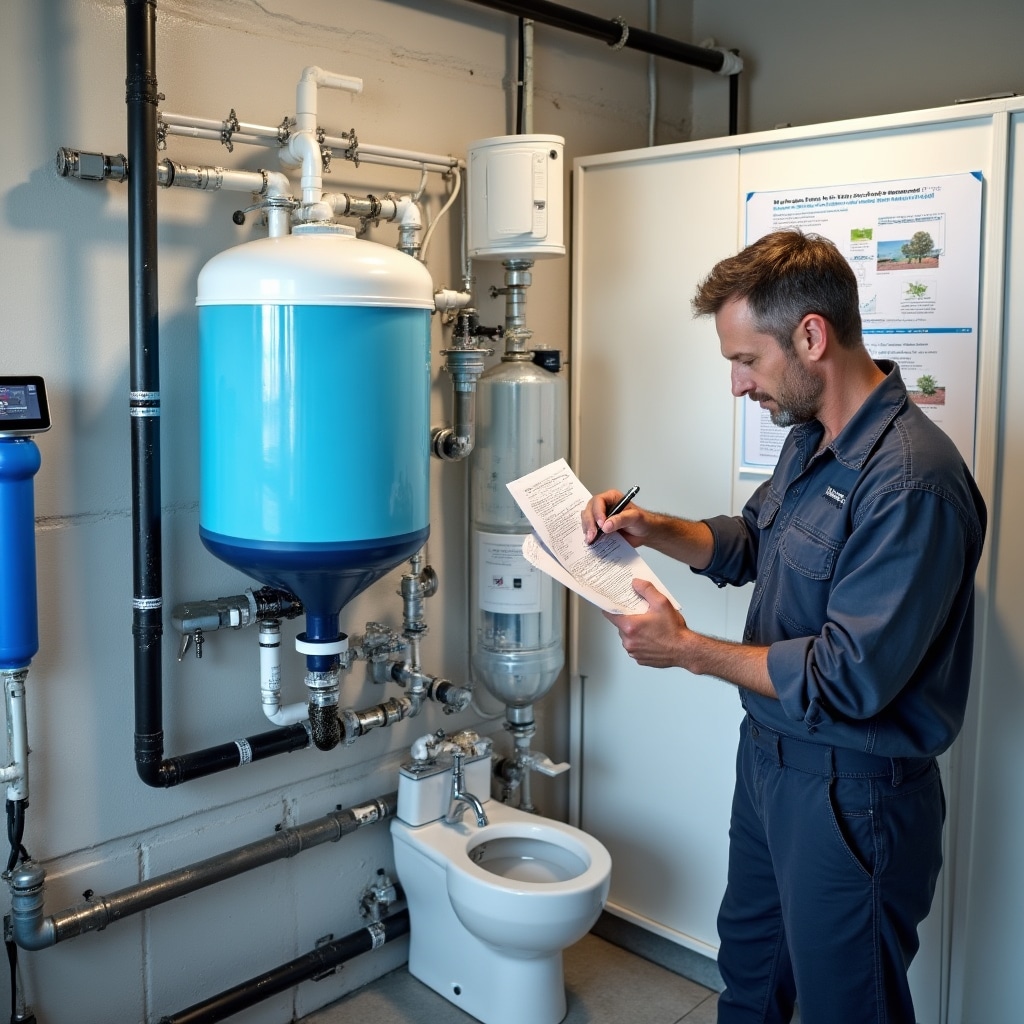
Water Conservation & Management
Strategies for reducing water consumption and managing water resources responsibly through efficient fixtures, alternative water sources, and intelligent landscape design.
- Low-flow fixtures and efficient appliances
- Rainwater harvesting system design
- Greywater recycling and reuse systems
- Drought-resistant native landscaping
- Stormwater management strategies
- Water metering and monitoring
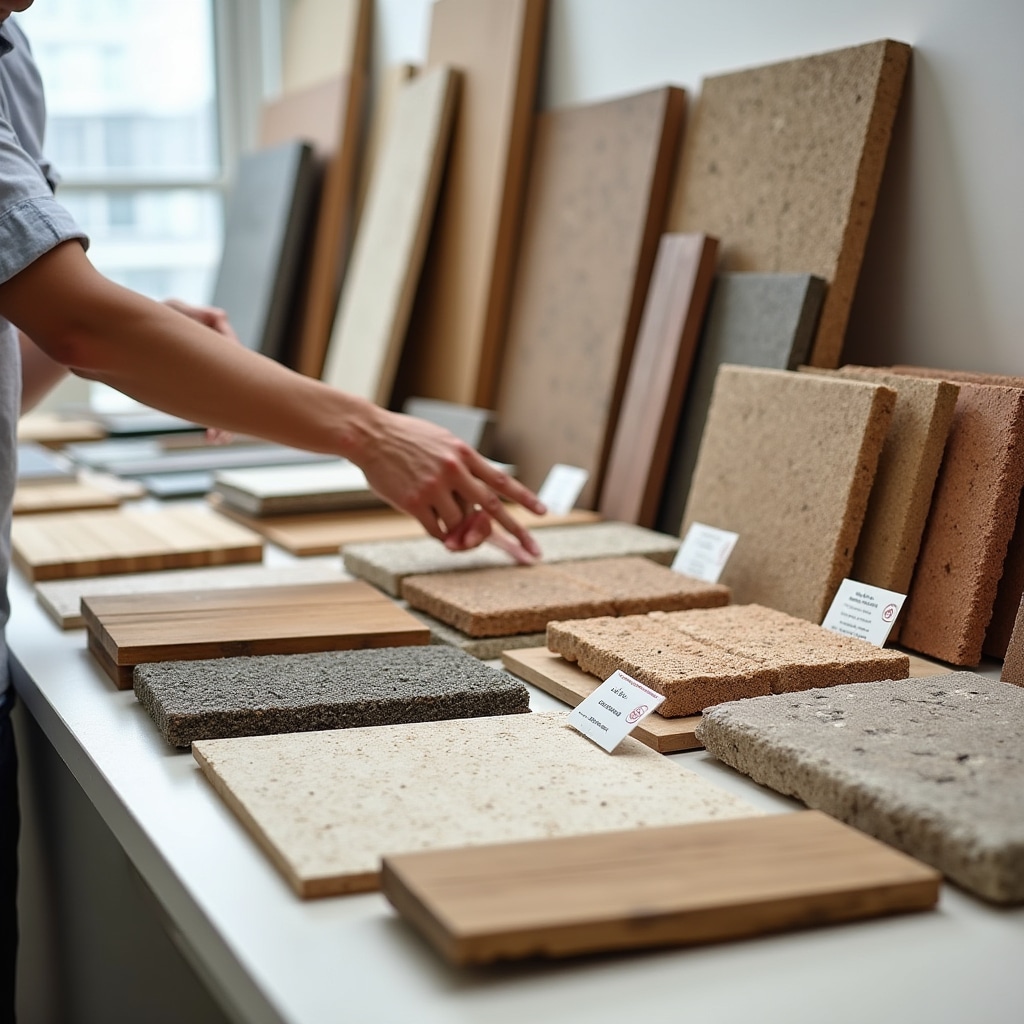
Sustainable Materials & Resources
Evaluating and selecting building materials based on environmental impact, considering factors like embodied energy, recycled content, local sourcing, and lifecycle performance.
- Lifecycle assessment methodology
- Recycled and reclaimed material use
- Rapidly renewable material options
- Local and regional material sourcing
- Low-VOC and non-toxic products
- Material durability and longevity

Indoor Environmental Quality
Creating healthy interior environments that support occupant wellbeing through proper ventilation, material selection, thermal comfort, and access to natural elements.
- Ventilation system design and fresh air delivery
- Low-emission material specifications
- Thermal comfort and humidity control
- Natural lighting integration
- Acoustic performance considerations
- Connection to nature and views
Green Building Certifications
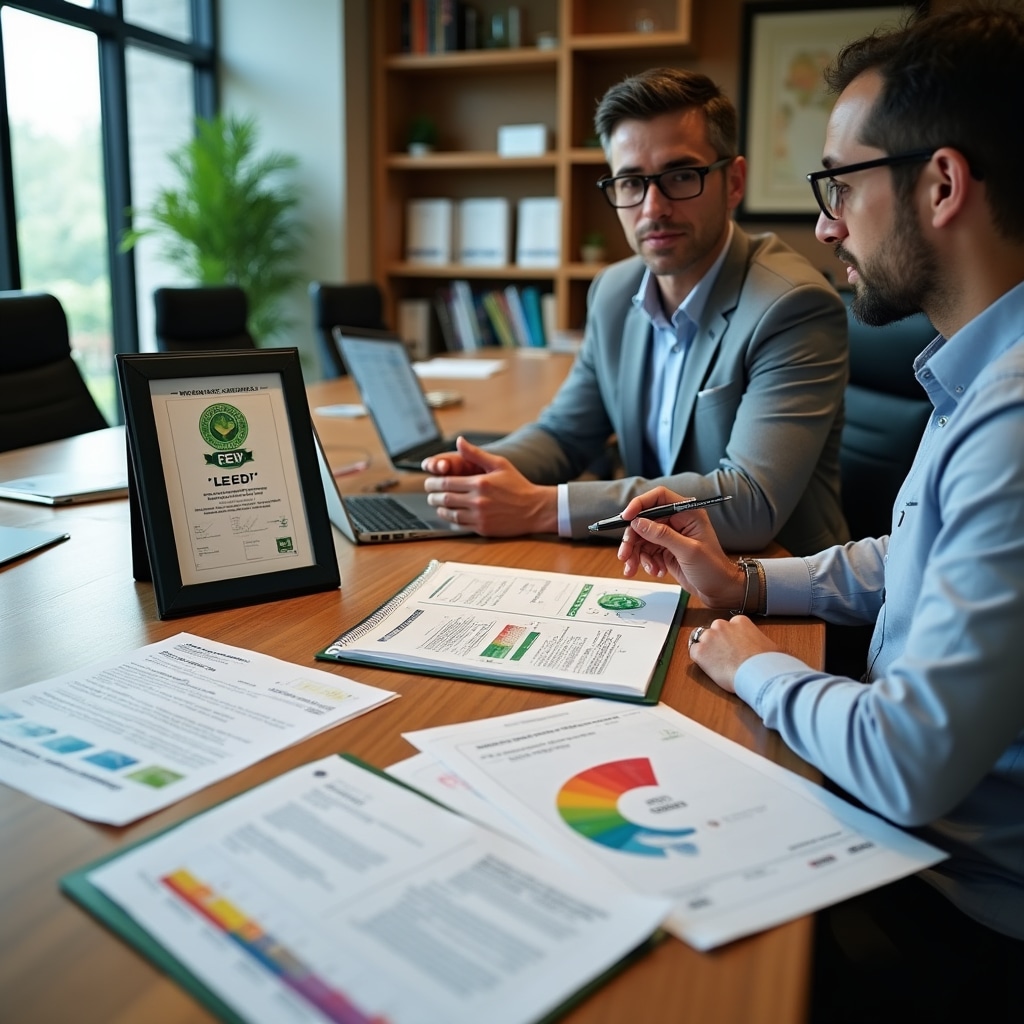
Green building certification systems provide structured frameworks for evaluating building performance across multiple environmental and health criteria. These systems establish measurable standards and verification processes that guide design and construction decisions.
Common certification systems include LEED (Leadership in Energy and Environmental Design), BREEAM (Building Research Establishment Environmental Assessment Method), Green Star, and others. Each system has specific requirements organized into categories like energy, water, materials, indoor quality, and site sustainability.
Understanding these frameworks helps inform building decisions by providing clear performance targets and recognized benchmarks. Certification levels typically range from basic compliance to higher performance tiers, allowing projects to pursue appropriate goals based on their context and objectives.
Additional Thematic Areas
Expanding knowledge across specialized sustainable construction topics
Site Sustainability
Minimizing site impact through responsible land use, preserving natural features, managing stormwater, protecting ecosystems, and considering transportation access and connectivity.
Waste Reduction
Strategies for minimizing construction and operational waste through careful planning, material reuse, comprehensive recycling programs, and designing for future adaptability and deconstruction.
Performance Monitoring
Tracking building performance through metering, data collection, and analysis to verify that sustainable design strategies are achieving intended results and identify improvement opportunities.
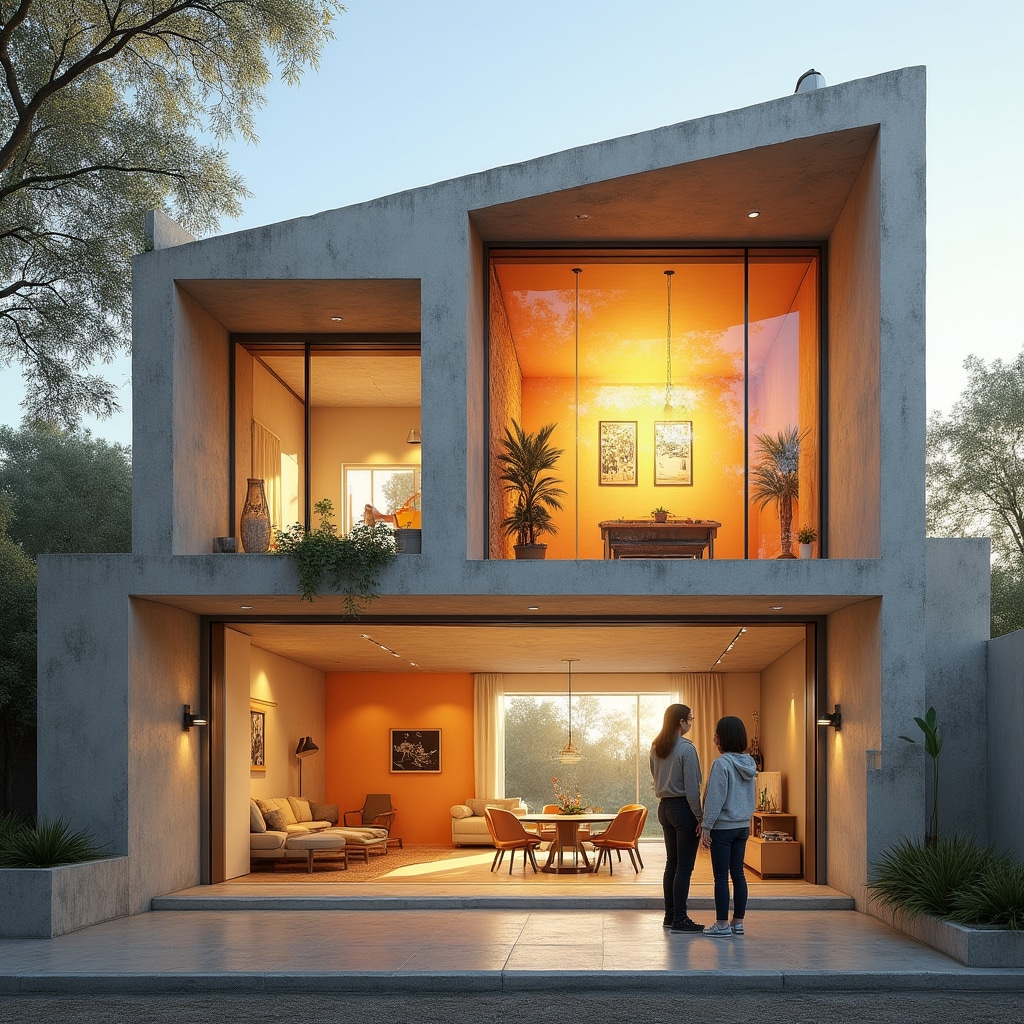
Passive Design Strategies
Passive design works with natural conditions rather than relying primarily on mechanical systems. These strategies use building orientation, form, materials, and openings to manage heat, light, and air movement naturally.
Key passive strategies include solar orientation for heating and daylighting, natural ventilation for cooling, thermal mass for temperature moderation, and shading devices to control solar gain. These approaches are particularly relevant in Argentina's diverse climate zones.
Effective passive design reduces energy consumption while often improving occupant comfort. Understanding local climate patterns and site conditions helps determine which passive strategies will be effective for specific projects.
Integrating Sustainable Practices
How different sustainability aspects work together in building design
Integrated Design Process
Sustainable buildings result from coordinated decision-making where energy, water, materials, and other aspects are considered together from early design stages.
Performance Trade-offs
Design decisions involve balancing different performance goals, understanding how choices in one area affect others, and prioritizing based on project objectives.
System Interactions
Building systems interact in complex ways. Understanding these relationships helps optimize overall performance rather than maximizing individual components.
Climate Considerations for Argentina
Adapting sustainable strategies to Argentina's diverse climate zones
Hot Humid Climate Zones
Strategies for northern regions focus on natural ventilation, solar shading, thermal mass for night cooling, and moisture management to maintain comfort while minimizing mechanical cooling needs.
Cold Climate Zones
Southern regions benefit from solar heat gain, high insulation levels, airtight construction, and heat recovery systems to reduce heating energy while maintaining indoor comfort.
Temperate Climate Zones
Central regions require balanced strategies addressing both heating and cooling seasons, with emphasis on thermal mass, appropriate glazing, and adaptable shading systems.
Arid Climate Zones
Western regions benefit from strategies managing large day-night temperature swings, including thermal mass, evaporative cooling, and water-efficient landscaping adapted to dry conditions.